
Per- and polyfluoroalkyl substances (PFAS) are a large group of synthetic chemicals that have been used in industrial applications and consumer products since the mid-20th century. They are commonly found in products designed to resist heat, water, grease, and stains, including food packaging, cookware, textiles, coatings, inks, and firefighting foams.
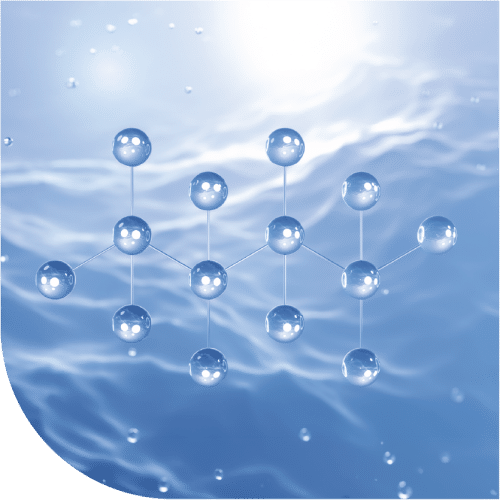
PFAS are characterized by chains of carbon and fluorine atoms. Because the carbon-fluorine bond is one of the strongest in organic chemistry, many PFAS compounds are highly resistant to degradation in the environment. Thousands of PFAS compounds exist globally, creating challenges for monitoring, risk assessment, and regulatory development.
Certain legacy PFAS, including perfluorooctanoic acid (PFOA) and perfluorooctane sulfonic acid (PFOS), have been phased out of production in the United States and are subject to restrictions under the Toxic Substances Control Act (TSCA). However, many other PFAS remain in commercial use.
While public discussion has traditionally focused on PFAS in drinking water, increasing attention is being given to air emissions and the role they play in transporting PFAS through the environment.